

Global Consumer Aesthetic Diversity Promotes Richer Lash Style Choices
Global Consumer Aesthetic Diversity Promotes Richer Lash Style Choices
In today’s interconnected world, the concept of "beauty" is no longer defined by a single standard. Global consumers, empowered by social media, cultural exchange, and a growing emphasis on self-expression, are driving a surge in aesthetic diversity—and this shift is profoundly reshaping the lash industry. From Tokyo’s natural "glass skin" lash trends to New York’s bold, editorial-inspired looks, and Lagos’s vibrant, culturally rooted styles, the demand for varied lash designs has never been higher, pushing manufacturers to innovate and expand their product portfolios.
The Rise of Aesthetic Pluralism in Lash Preferences
Aesthetic diversity in lash choices is fueled by two key factors: cultural reclamation and individualism. In East Asia, for example, the "less is more" philosophy dominates, with consumers favoring lightweight, wispy lashes that enhance rather than overpower natural features. Brands here often focus on 0.03mm ultra-fine lash fibers and subtle curl (C or D curl) to mimic the look of naturally long lashes. In contrast, Western markets lean into drama—think voluminous 3D mink lashes, thick band designs, and夸张的 L or M curls that make a statement on red carpets or social media. Meanwhile, in regions like Latin America and Africa, cultural heritage plays a role: consumers in Brazil may opt for colorful lash accents (think gold or pink tips) to complement carnival-inspired makeup, while Nigerian beauty enthusiasts often seek bold, full lashes that align with traditional gele and Ankara fabric aesthetics.

Social media platforms like TikTok and Instagram have amplified this diversity, turning local trends into global phenomena. A lash style popularized by a K-beauty influencer in Seoul can quickly gain traction among Gen Z in Paris, while a Miami-based makeup artist’s "Y2K throwback" lash tutorial might go viral in Sydney. This cross-pollination means lash manufacturers can no longer rely on one-size-fits-all products; instead, they must cater to a mosaic of preferences.
How Manufacturers Are Adapting: Tech, Materials, and Customization
To meet this demand, lash producers are innovating on multiple fronts. Material science, for instance, has become a cornerstone of diversity. Traditional mink lashes, once a staple, are now joined by vegan alternatives like PBT (polybutylene terephthalate) fibers—lighter, more durable, and cruelty-free, appealing to eco-conscious consumers in Europe and North America. For markets prioritizing comfort, manufacturers are developing "featherweight" lash丝 with hollow-core technology, reducing irritation during all-day wear.
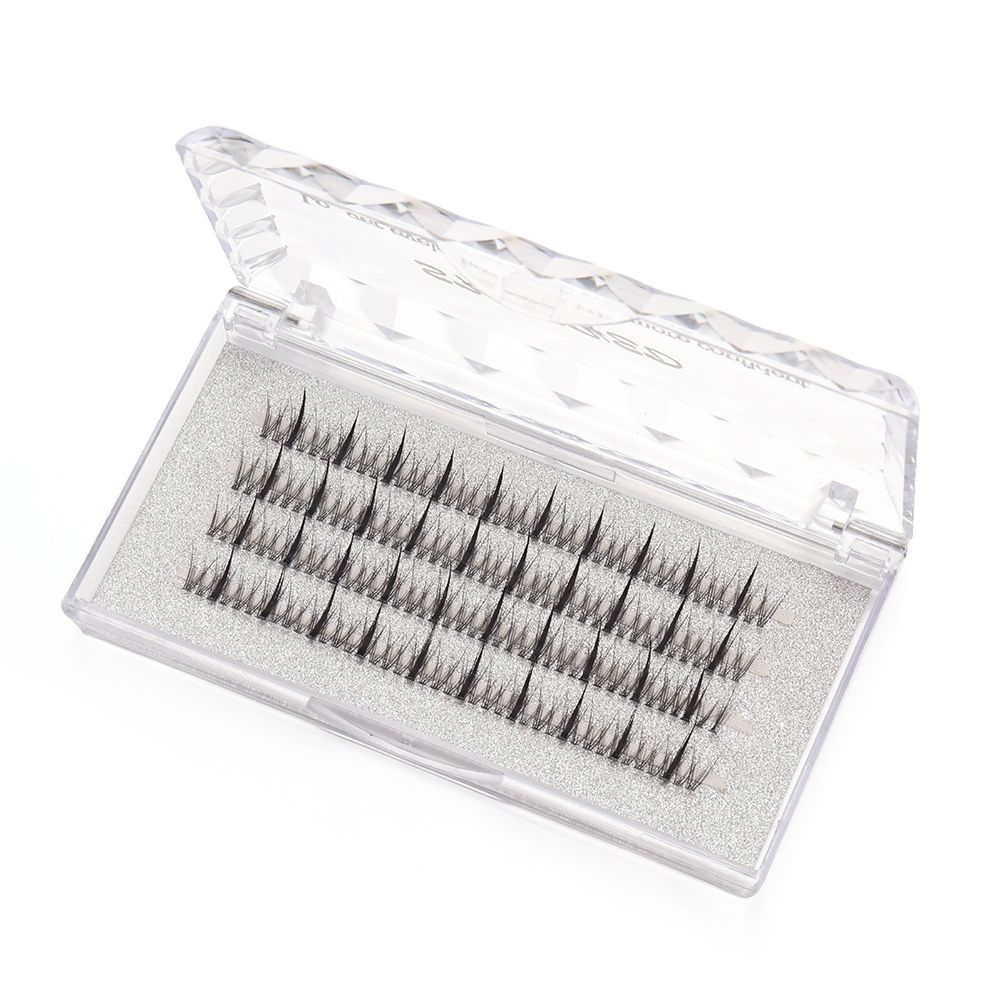
工艺创新 is equally critical. 3D printing technology allows for precise control over lash density and curl, enabling the creation of hyper-specific styles—from the "spiky" lash trend popular in Korea to the "cat-eye" shaped lashes favored in Los Angeles. Handcrafted lash sets, once a niche product, are now mainstream, with artisans trained to create custom designs for clients seeking one-of-a-kind looks, such as lash clusters with gradient color or asymmetrical lengths.
Customization has also gone digital. Some brands now offer online tools where consumers can upload selfies and "try on" different lash styles virtually, selecting length, curl, and material before purchasing. This not only enhances the shopping experience but also provides manufacturers with data on regional trends, allowing them to refine production strategies—for example, ramping up supply of natural-looking lashes in Tokyo or bold, glitter-infused options in Rio de Janeiro.
The Future: Inclusivity as a Growth Driver
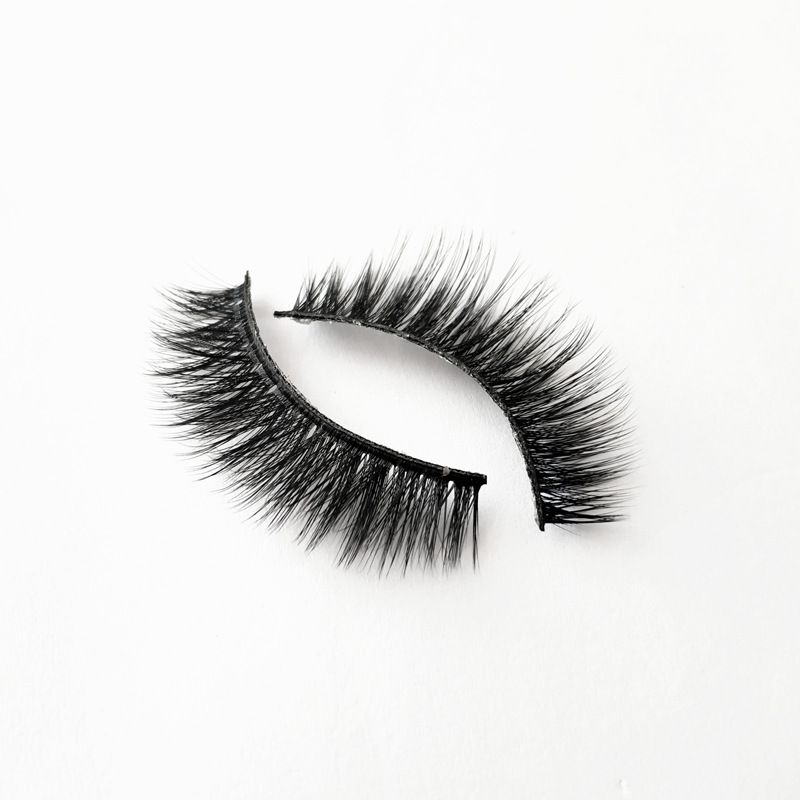
As global aesthetic diversity continues to expand, the lash industry’s future lies in inclusivity. This means not only offering a wide range of styles but also ensuring products cater to diverse eye shapes, skin tones, and cultural needs. For example, lash bands are now being designed with flexible, skin-toned materials to blend seamlessly on deeper skin tones, while shorter lash lengths (8-10mm) are gaining popularity among consumers with hooded eyes or those preferring a minimalist look.
Moreover, sustainability is emerging as a unifying trend across diverse markets. Consumers, regardless of region, are increasingly prioritizing brands that use recyclable packaging, biodegradable lash丝, and ethical production practices. This shift is pushing manufacturers to balance diversity with responsibility, creating products that are both aesthetically varied and environmentally conscious.
In conclusion, global consumer aesthetic diversity is not just a trend—it’s a transformative force reshaping the lash industry. By embracing cultural nuances, investing in technology, and prioritizing customization, manufacturers can turn this diversity into opportunity, offering richer, more inclusive lash style choices that empower consumers to express their unique beauty, no matter where they are in


